
Stephen Rutter
A system, not agents in silos
Stephen Rutter, founder of The Scale Institute. He built a four-agent growth engine for sales across five businesses.
FoundationsIndustrial designer and entrepreneur
Anthony D’Agostino is an industrial designer and entrepreneur. In a typical week, he runs client projects, solves technical problems and works on new ventures.
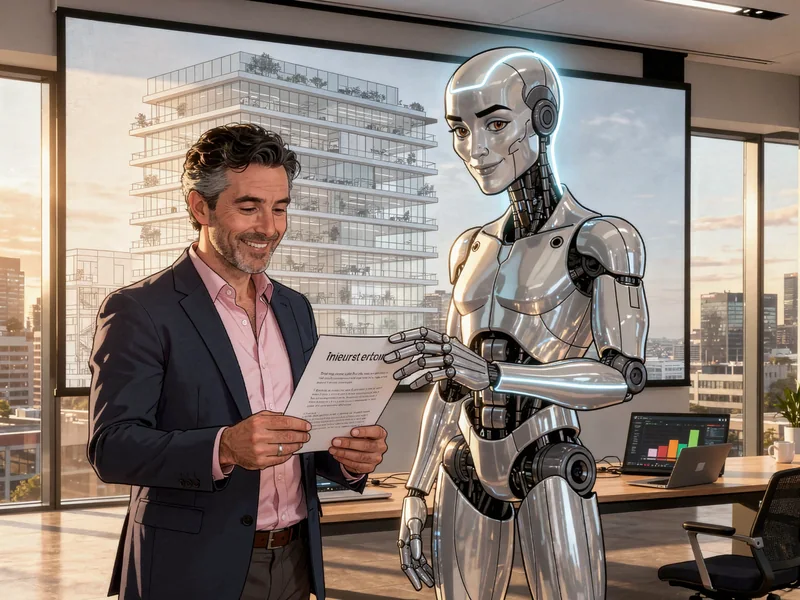
Anthony had become his own bottleneck. His diagnostic frameworks, his reasoning and the way he communicates all lived in his head, and there weren’t enough hours to apply them to every project. He spent his days switching context. He didn’t want AI to replace him. He wanted to capture the best of how he thinks, so he could work faster and keep his quality when spread across several projects.
Working with Supernaut, Superesque’s AI prompt engineer, Anthony built three agents, each on a different part of his expertise:
To build them, he had to put into words instincts he had always applied without thinking. “I usually act automatically on things,” he says. The process felt “like creating a digital twin of myself.”
“For the first time, my capabilities feel truly expandable, and not limited by personal bandwidth.”
Stephen Rutter, founder of The Scale Institute. He built a four-agent growth engine for sales across five businesses.
Foundations
Mary Daly, founder of Throughline Solutions. Her five agents push back on her thinking, and led her to design a new offer for clients.
Foundations
Nick Tchan, eHealth NSW. Building agents made him spell out how experts think, and changed how he designs learning.
FoundationsJoin the next Superesque Foundations cohort, starting 19 January 2027.
Not ready yet?Try Superesque Start, free.